
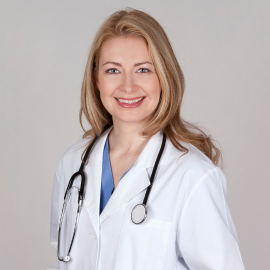
An OBGYN is a physician trained in obstetrics and gynecology. They manage reproductive health, pregnancy, and conditions affecting the female reproductive system, and their scope of practice spans a woman’s entire life. As women progress from adolescence through menopause, these healthcare providers offer preventive screenings and deliver specialized care. Here is more information on what an OBGYN does and how they address women’s health:
What Is an OBGYN?
An OBGYN is a physician who specializes in two connected fields: obstetrics and gynecology. Obstetrics focuses on pregnancy, childbirth, and postpartum care, while gynecology addresses the female reproductive system more broadly, including the uterus, ovaries, and cervix. Because of their dual training, OBGYNs can manage a wide range of care, from routine pelvic exams to complex deliveries.
What Services Do They Offer?
OBGYNs provide a broad scope of care, including preventive, diagnostic, and treatment services. Preventive care includes annual well-woman exams, Pap smears, and breast exams. These services help identify potential concerns before they escalate into more serious conditions. During pregnancy, OBGYNs monitor fetal development, and they manage labor and delivery. They also provide postpartum follow-up so that patients receive continuous care after childbirth.
These healthcare providers treat conditions such as endometriosis, polyendocrine metabolic ovarian syndrome (PMOS), and fibroids. Their services generally include:
- Contraceptive counseling
- Fertility evaluations
- Menopause management
What Affects Women’s Health?
Hormonal changes, genetics, and lifestyle factors shape a woman’s health over time; puberty, pregnancy, and menopause each trigger significant hormonal shifts. These shifts can affect mood, metabolism, and reproductive function. Since diet and physical activity influence menstrual regularity, they also contribute to long-term risk for conditions like osteoporosis or cardiovascular disease.
Family history is a key factor in determining screening needs. A woman with a maternal history of ovarian cancer may require earlier or more frequent evaluations, and her OBGYN will adjust care accordingly. While environmental exposures and access to consistent healthcare also shape health outcomes, regular visits help track changes so that warning signs are identified early. Consulting a healthcare provider helps identify the factors that influence an individual’s health.
How Is Specialized Care Beneficial?
Specialized care helps identify symptoms that may otherwise go unnoticed. A general physician may not immediately connect irregular bleeding with a hormonal imbalance, but an OBGYN’s focused training makes that link clearer. This distinction is integral to early detection. Because their expertise centers on women’s health, OBGYNs can spot patterns and connections that support faster diagnoses.
Specialized care also means continuity, and this continuity becomes a clinical asset over time. Seeing the same OBGYN over the years builds a detailed health record that reflects personal history, family background, and prior treatments. That record grows alongside the patient, and it informs decisions during pregnancy, family planning, and the transition into menopause, allowing care to adapt to changing needs.
Learn More From an OBGYN
An OBGYN offers more than reproductive care; their training equips them to guide patients through every stage of life, from adolescence to menopause. Understanding what affects women’s health and how specialized providers respond to it helps patients make informed decisions about long-term well-being. If you are looking to learn more about women’s health, reach out to a local OBGYN.